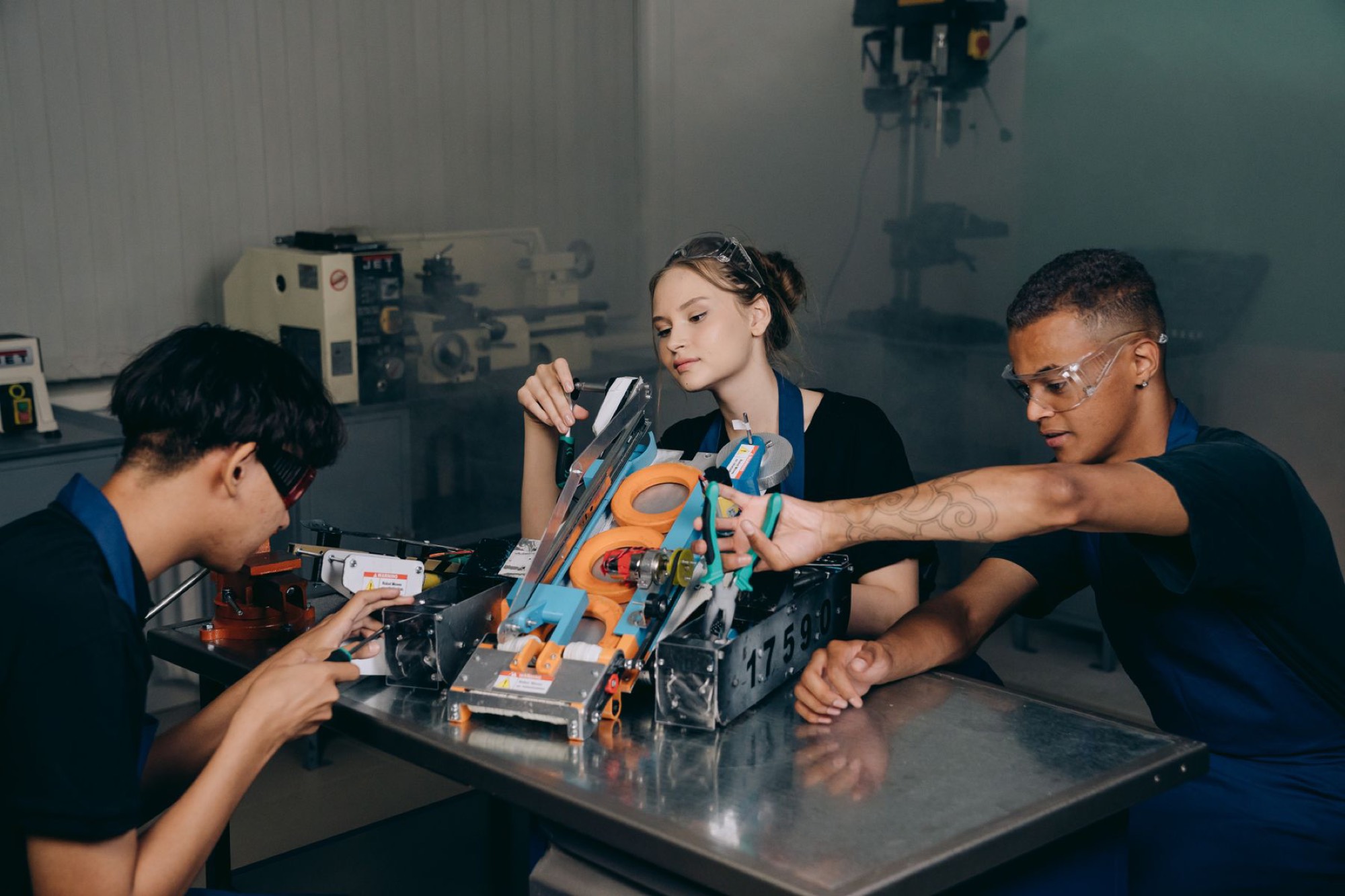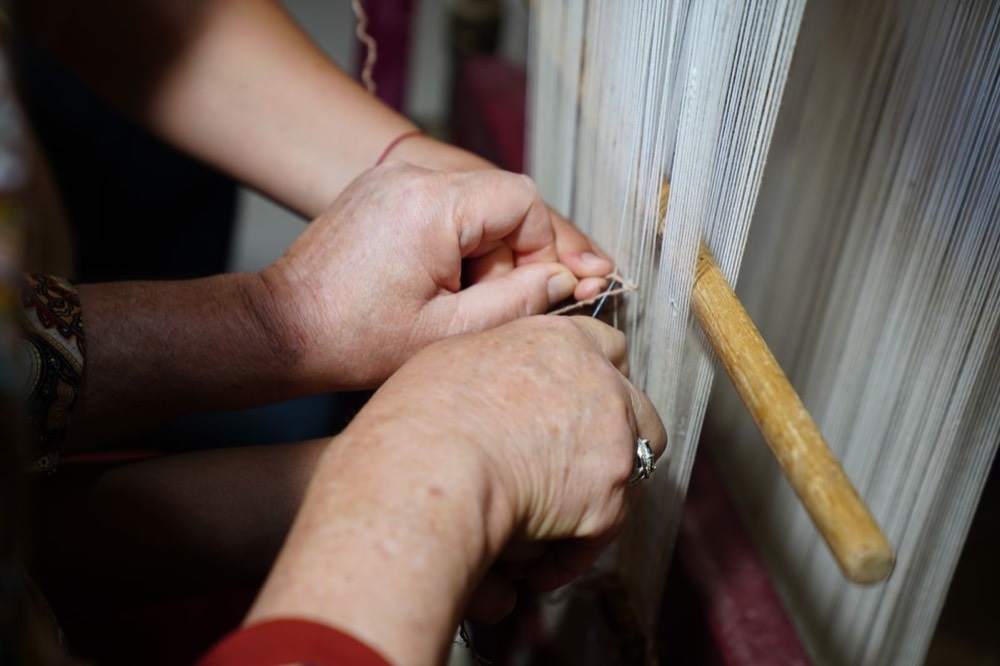
public egocentric datasets cover kitchens, homes and everyday errands well. they cover skilled trades poorly: the welder's torch angle, the weaver's tension, the mechanic's feel for a seized bolt. that long tail is where manipulation policies fail.
what we learned filming in workshops
- narration beats labels. a worker saying why they changed grip is worth more than any after-the-fact annotation.
- stereo pays for itself on fine manipulation, where depth from a single camera is unreliable.
- consent is ongoing. people should be able to review and withdraw clips, not just sign once.
- light is the hardest variable. real workshops are dark, bright and changing, which is exactly why the data is useful.
sample field guide.