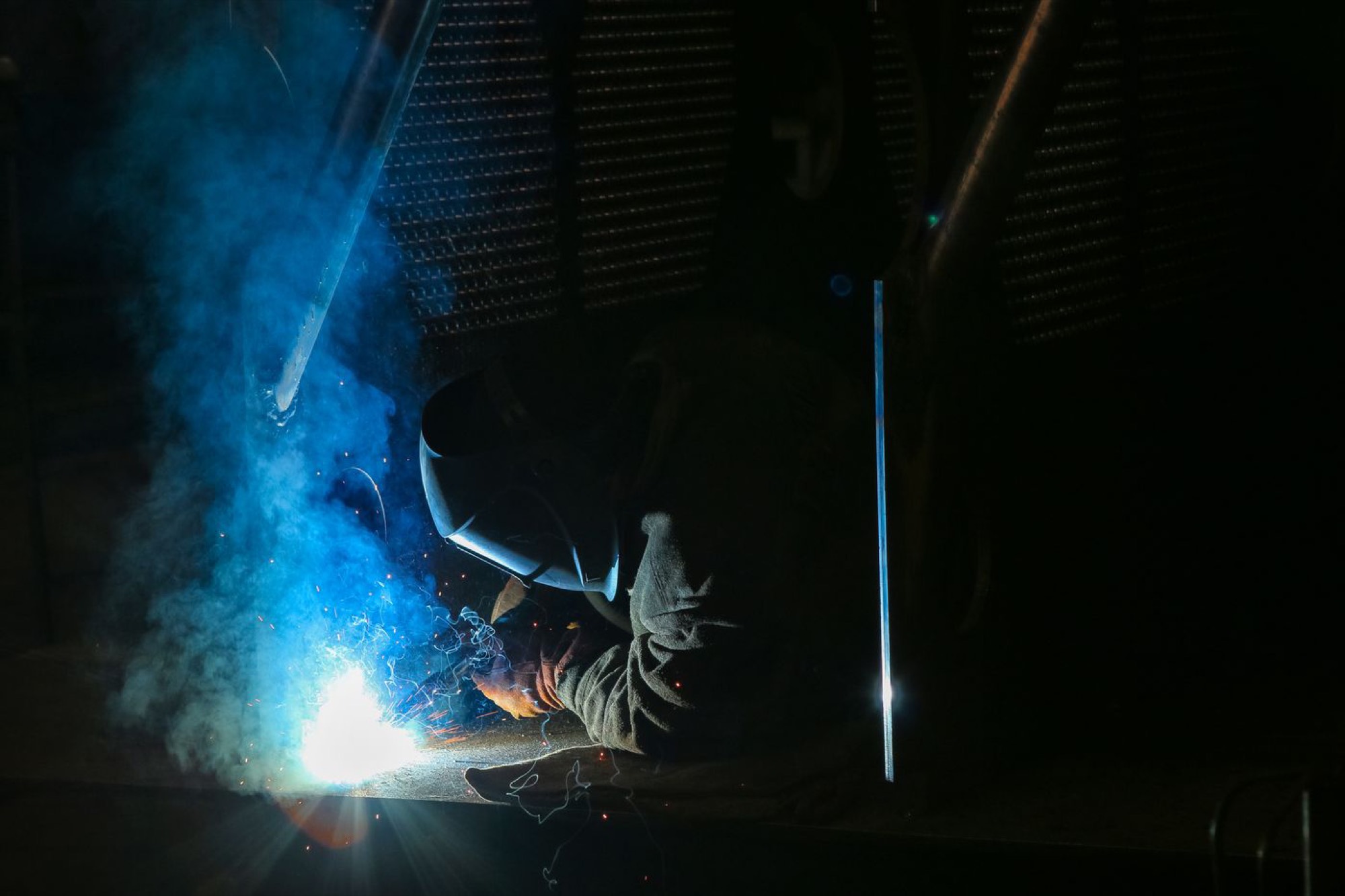
the world, first person.
skilled hands, filmed from the eyes of the people they belong to. mono, stereo and depth capture, narrated, labelled and consented.
the long tail of skilled work.
sample catalogue. hours are placeholders.
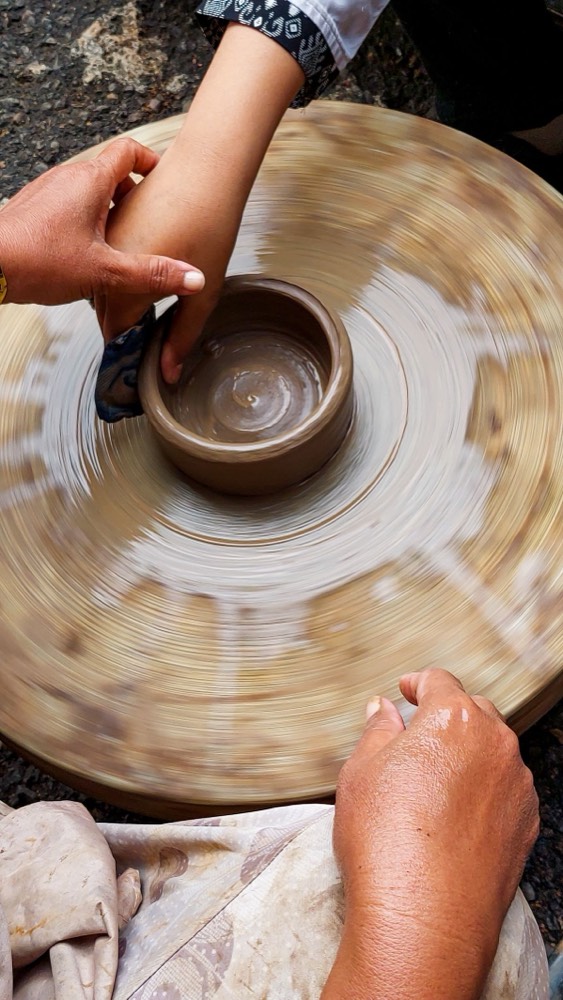
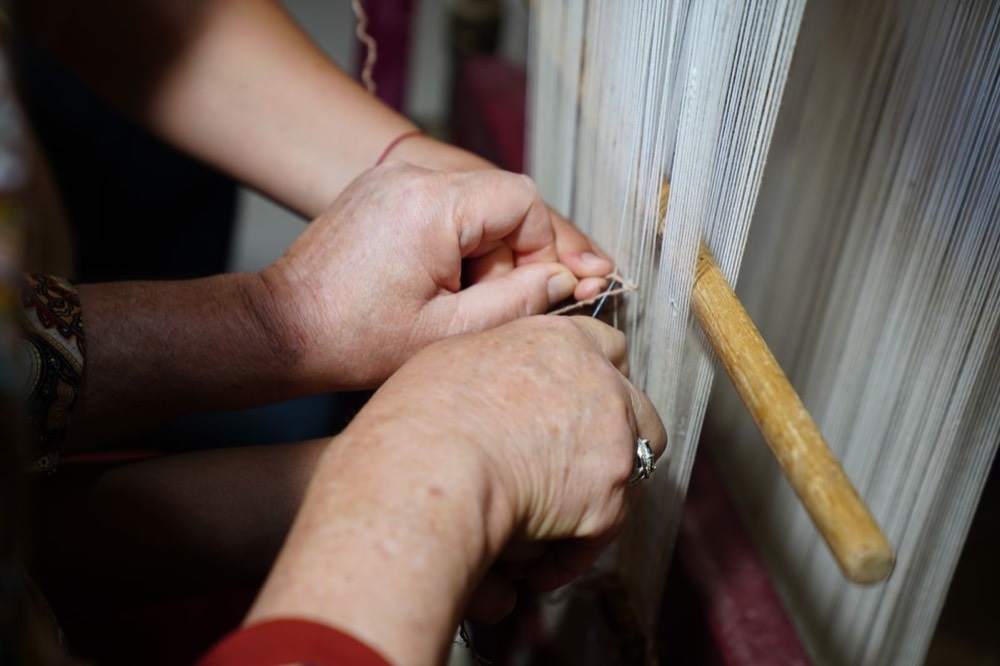
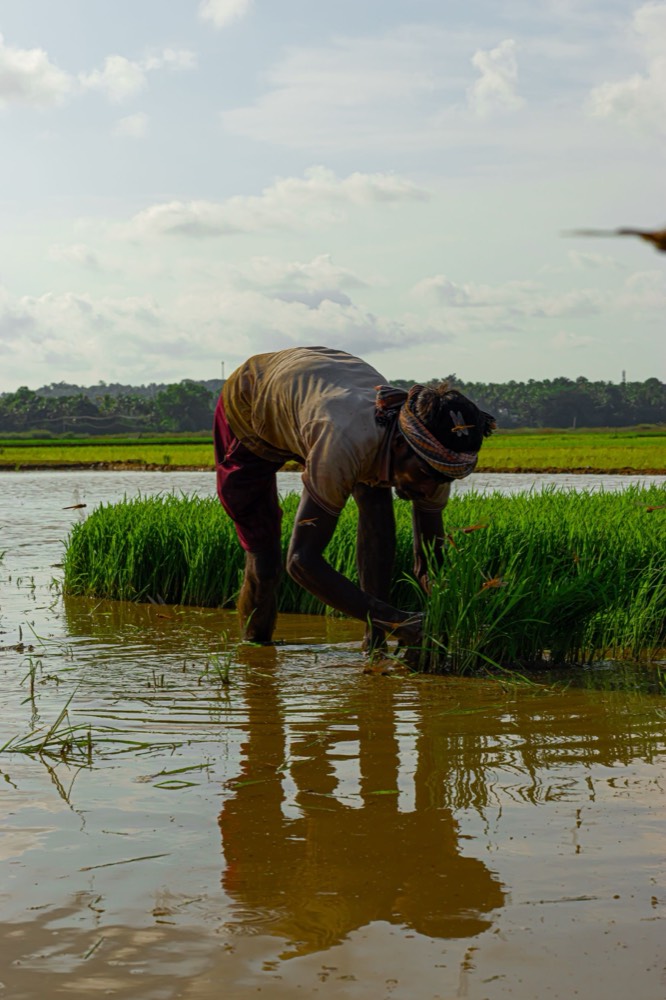
sample catalogue · click a row to request clips
pick the rig for the model you're training.
- camera
- 2 × synced rgb · 1920 × 1080 / 30 fps
- baseline
- ≈ 6.5 cm, near eye level
- sensors
- imu 6-axis · 200 hz · per-frame 6-dof pose (slam)
- audio
- 48 khz stereo
- best for
- 3d hand pose, manipulation policies, world models
- cost
- standard
more than video.
every clip ships with time-aligned layers. toggle them on a sample frame.
 left hand · 21 kpright hand · 21 kpclay · on wheel
- clip
- fld-cer-0412 · 6 min 12 s
- rig
- stereo rgb + imu
- hands
- 21 keypoints × 2 · 30 hz
- actions
- 47 segments · verb–noun
- narration
- word-level timestamps
- gaze
- optional · 120 hz
sample clip and labels.
what lands in your bucket.
- h.265 mp4, 1080p–4k, 30–60 fps
- stereo pairs with calibration files
- depth as 16-bit png sequences
- 6-dof camera pose per frame (slam)
- 21 keypoints per hand, 3d from stereo
- imu at 200 hz, time-synced
- narration with word-level timestamps
- verb–noun action segments
- task success and error labels
- webdataset shards
- lerobot-compatible episodes
- rlds on request
- signed consent per contributor
- site and task metadata
- faces and screens blurred
- sync drift under 10 ms · sample
- occlusion and blur screening
- second-reviewer label audit
from task list to delivered episodes.
- 01 · scopeyour task list.
the skills and environments your model needs, with target hours.
- 02 · recruitreal tradespeople.
vetted, consented and paid, in their own workplaces.
- 03 · capturefilm the real thing.
kits shipped, operators trained, daily qa on uploads.
- 04 · deliverlabelled episodes.
annotated, audited and shipped in weekly drops.
paid to do what you already do well.
$25–60 an hour of usable footage, by trade · sample.
a head-mounted rig, set up in ten minutes.
review your clips and withdraw any of them.
asked often.
mono or stereo: which do we need?+
mono is enough for task understanding and video-language models. stereo gives reliable 3d hand pose for manipulation. add depth for dexterous, contact-rich tasks.
can you film our own facilities?+
yes. we can deploy kits and operators to your sites, under your safety and confidentiality rules.
how are faces and screens handled?+
bystander faces, screens and documents are blurred automatically, then spot-checked by a person.
is it compatible with our training stack?+
we deliver webdataset shards and lerobot-compatible episodes by default, with calibration and pose files. rlds on request.
how is consent recorded?+
every contributor signs a written consent that names the uses allowed, and is paid for every hour. clips can be withdrawn before delivery.
robots will learn to build from builders.
we film the builders. tell us the tasks your models need to learn.